KUALA LUMPUR, 12 September 2026 — What began as a 38-card board game is evolving into a wider food education ecosystem, as social enterprise O SENTAI expands its efforts to connect food, culture, education, tourism, health, the environment and communities.
Known for its educational board game Winner of Delicacies, O SENTAI is entering its fourth year with plans to further develop Malaysian culinary experiences, particularly in conjunction with Visit Malaysia, while deepening collaborations with local and international partners.
Founded by Foo Ching Yee, O SENTAI has sold more than 1,200 sets of Winner of Delicacies since the game received recognition at the 2023 Selangor Tourism Carnival.
Over the past four years, the initiative has reached nearly 10,000 people through schools, community programmes, family activities, corporate training and various educational initiatives.
At its core, Winner of Delicacies features 38 food cards representing dishes from different Malaysian states, ethnic communities and regions. Through gameplay, participants are introduced not only to local cuisine but also to the cultural characteristics and stories behind the food.
From Board Game to Education, Communities and Tourism
Winner of Delicacies has gradually expanded beyond the classroom, reaching primary and secondary schools, higher education institutions, families and communities.
The game has also been incorporated into nature-based learning, cultural activities, corporate training and cross-cultural exchanges, turning a simple tabletop experience into an accessible way for people of different ages to learn about Malaysian food and culture.
Today, Winner of Delicacies is available at more than 20 cultural, creative and souvenir retail locations across Kuala Lumpur, Selangor, Penang, Perak and Sabah.
The expansion has allowed both Malaysians and international visitors to explore the country’s multicultural food heritage through an interactive experience.
Discovering Malaysia Through Food
Feedback from participants has encouraged O SENTAI to explore new possibilities for food education.
For many participants, the game has helped them better understand the differences between the culinary traditions of Malaysia’s various communities while encouraging them to discover signature dishes from different states and regions.
Some travellers have even turned the 38 food cards into their own “Malaysian Food Exploration Checklist”, using them to search for, taste and photograph Malaysian specialities during their travels.
For O SENTAI, each card represents more than just a dish. It can serve as an entry point to discovering a place, its history and its culture.
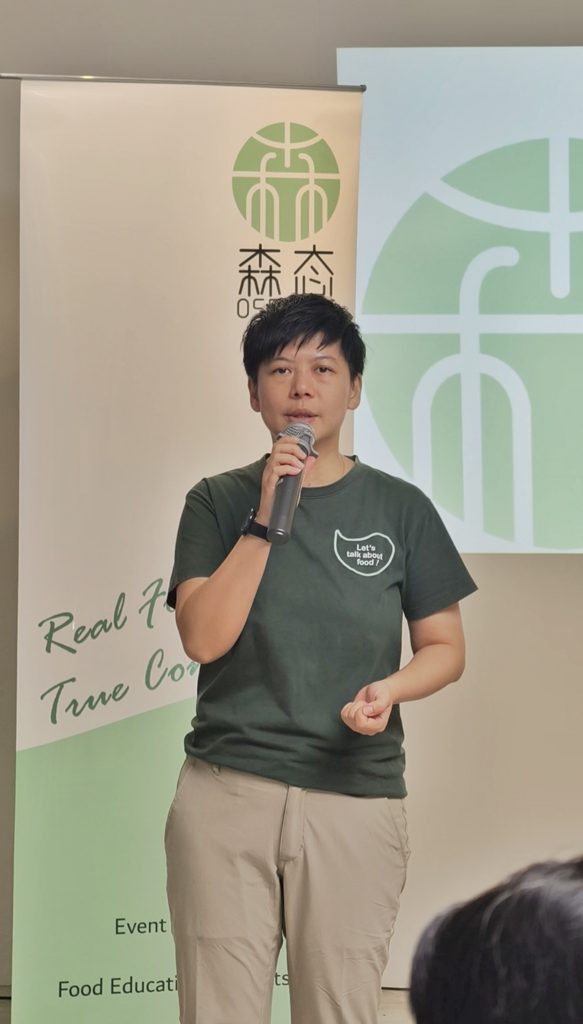
Foo said the organisation hopes participants will go beyond simply recognising the name of a dish and begin understanding where it originated, how it developed and the communities, land and way of life connected to it.
Food Education Beyond the Classroom
O SENTAI believes food education should not be confined to classrooms.
Because food transcends age, geography, ethnicity and background, it can serve as a powerful medium for connecting people and encouraging intergenerational learning.
Through activities involving families and senior citizens, Winner of Delicacies has been used to encourage interaction and communication across generations. In schools and other institutions, the game also provides an engaging introduction to Malaysian culture, nutrition and dietary issues.
During exchanges with academics involved in the Malaysian Research Institute on Ageing (MyAgeing) at Universiti Putra Malaysia (UPM), O SENTAI also highlighted the potential of games such as Winner of Delicacies to support cognitive engagement, memory and interaction among older adults.
The organisation sees further potential for such games to be developed as tools for learning and memory training among senior citizens.
Beyond introducing local cuisine, O SENTAI aims to help participants make more informed food choices, including recognising different types of food, understanding nutrition labels and developing healthier eating habits.
The objective is to equip participants with better judgement when faced with the thousands of food choices available in everyday life.
Food education is also linked to nature-based experiences, helping participants understand where their food comes from, appreciate food, reduce waste and recognise the relationship between the natural environment and everyday diets.
For children, the learning experience extends to essential life skills such as recognising ingredients, basic washing and preparation, cutting and cooking techniques — helping them develop greater independence while learning about food.
Four Years of Cross-Sector Collaboration
Over the past four years, O SENTAI has continued to expand the application of food education through collaborations across different sectors.
What began with educational and family activities has gradually extended to universities, schools, kindergartens, businesses, tourism organisations, communities and sustainability-related programmes.
Its collaboration network includes government agencies, educational institutions, businesses and social organisations such as Universiti Kebangsaan Malaysia (UKM), INTI International University & Colleges, Universiti Putra Malaysia (UPM), Tourism Selangor, Menteri Besar Selangor Incorporated (MBI), Tzu Chi International School, Fatimas, Hock Soon, Biogreen, Etblisse, RE Sustainable Enterprise and Eco Lestari Strategy, among others.
In education, O SENTAI brings board games and experiential learning into schools, enabling students of different ages to explore nutrition, local cuisine, food sources and environmental issues.
Meanwhile, family and community programmes use food as a medium for interaction, communication and learning across generations.
Collaborations with tourism and cultural organisations have also opened the door to a “food education + cultural tourism” model.
Participants can begin with a local dish and then explore the community, land, history and lifestyle behind it — turning food into a window through which both local and international visitors can discover Malaysia.
Corporate and sustainability collaborations have further taken food education beyond schools, with workshops, board games, experiential activities and cross-sector projects addressing topics such as healthy eating, food waste, environmental sustainability and social responsibility.
Foo said O SENTAI is grateful to its government, education, business and community partners for being willing to explore these possibilities together.
“We may come from different sectors, but ultimately, we can all find a common language through food. This is also why we hope to build a broader food education ecosystem in the next stage of our journey.”
From 38 Cards to a Complete Food Education Ecosystem
After four years of educational experience and cross-sector collaboration, O SENTAI is now looking to systematise its educational content, partnership network and experiential learning models.
The next phase will progressively connect games and curriculum development, meals and food product development, nature experiences, cultural and tourism experiences, as well as community activities.
Winner of Delicacies, therefore, is envisioned as more than just a board game. It is intended to become a gateway into a broader food education ecosystem.
Participants may begin by discovering food through a game, deepen their knowledge through educational programmes, understand food sources through farm experiences and learn how ingredients are transformed in the kitchen.
These experiences can then be extended into curriculum development, food product development, local culture, tourism and community participation.
For O SENTAI, food is more than something consumed by the body. It is also a medium for understanding culture, connecting people and appreciating the relationship between land and nature.
Foo described the original 38 cards as seeds that O SENTAI hopes will continue to grow.
“We hope these 38 cards will continue to create more possibilities for food education, allowing more people to move from simply ‘playing a game’ to recognising food, understanding food, appreciating food and ultimately developing a deeper connection with it.”
Supporting Visit Malaysia Through Food
Tourism is set to become one of the key directions for O SENTAI as it expands its food education ecosystem.
In conjunction with Visit Malaysia, the organisation plans to explore collaborations with various organisations, including Tourism Selangor, to transform Malaysia’s rich culinary heritage into tourism experiences that are both educational and interactive.
Malaysia’s states, ethnic communities and localities each have distinctive culinary traditions. Behind every local dish are often stories connected to history, agriculture, the natural environment, migration and ways of life.
O SENTAI aims to bring these elements together by integrating board games, local cuisine, cultural stories and on-site experiences.
Under this concept, Winner of Delicacies could eventually become more than a game played around a table. It could serve as a “food map” for travellers exploring Malaysia.
Visitors could first discover a dish through the game, then travel to its place of origin to taste it, learn its story and experience the culture behind it.
The ultimate goal is for visitors to do more than simply “eat Malaysian food” — but to discover Malaysia, understand Malaysia and remember Malaysia through food.
JCI Petaling Jaya and O SENTAI Deepen International Collaboration
O SENTAI’s food education efforts are also expanding beyond Malaysia.
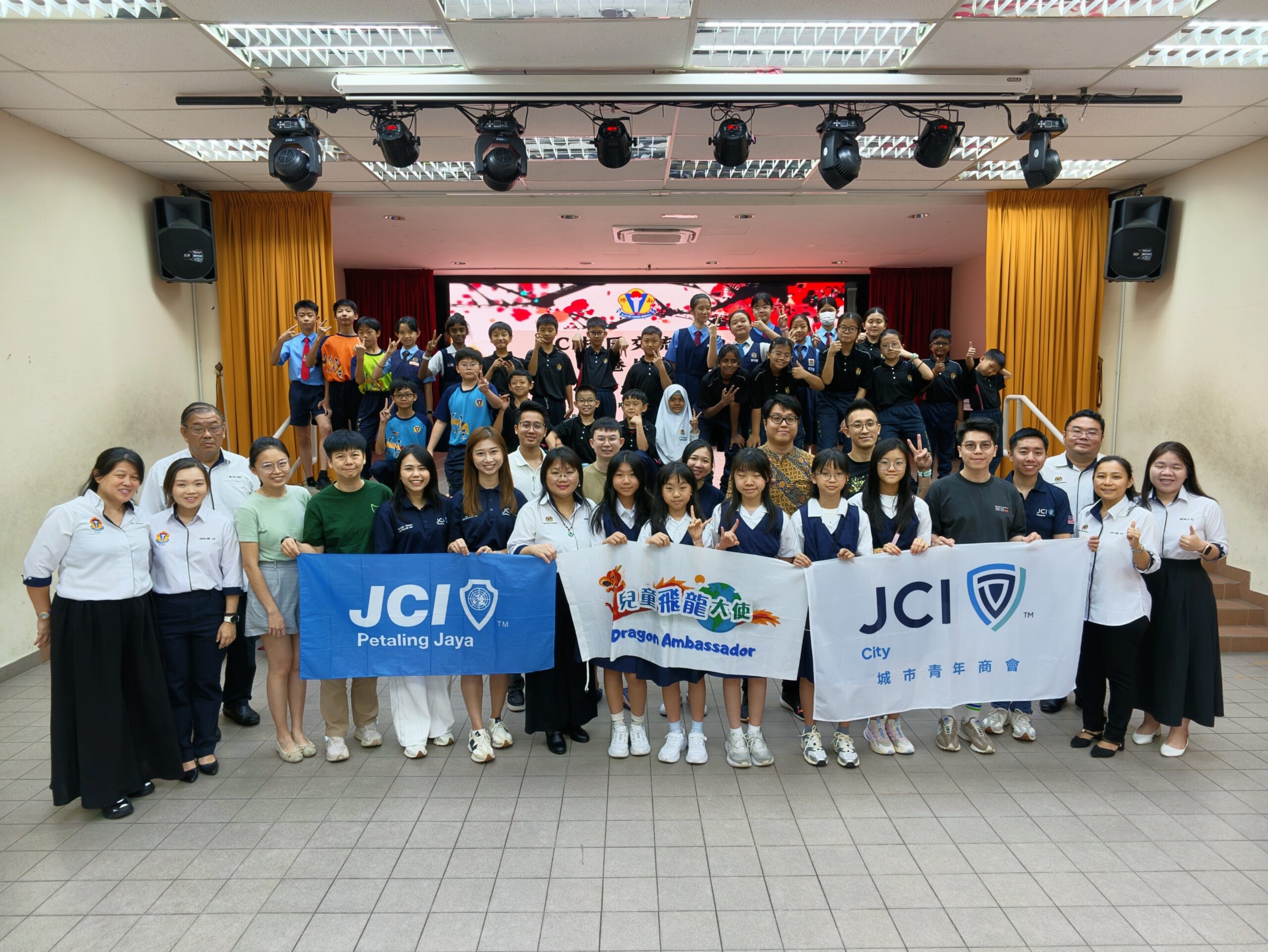
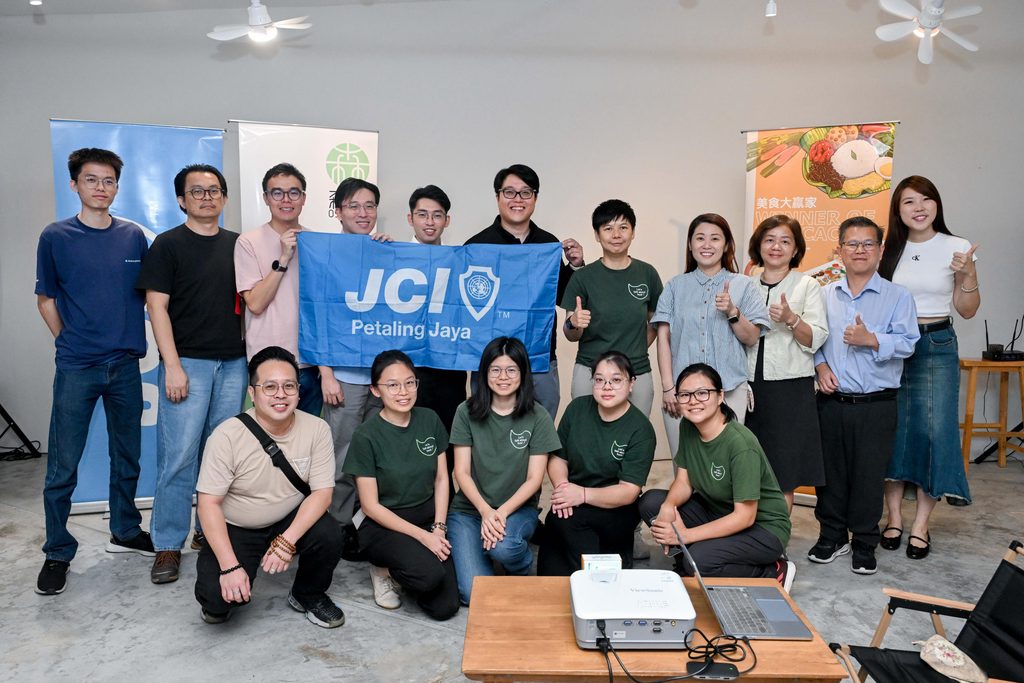
In July this year, JCI Petaling Jaya (JCIPJ) incorporated Winner of Delicacies into an international cultural exchange programme.
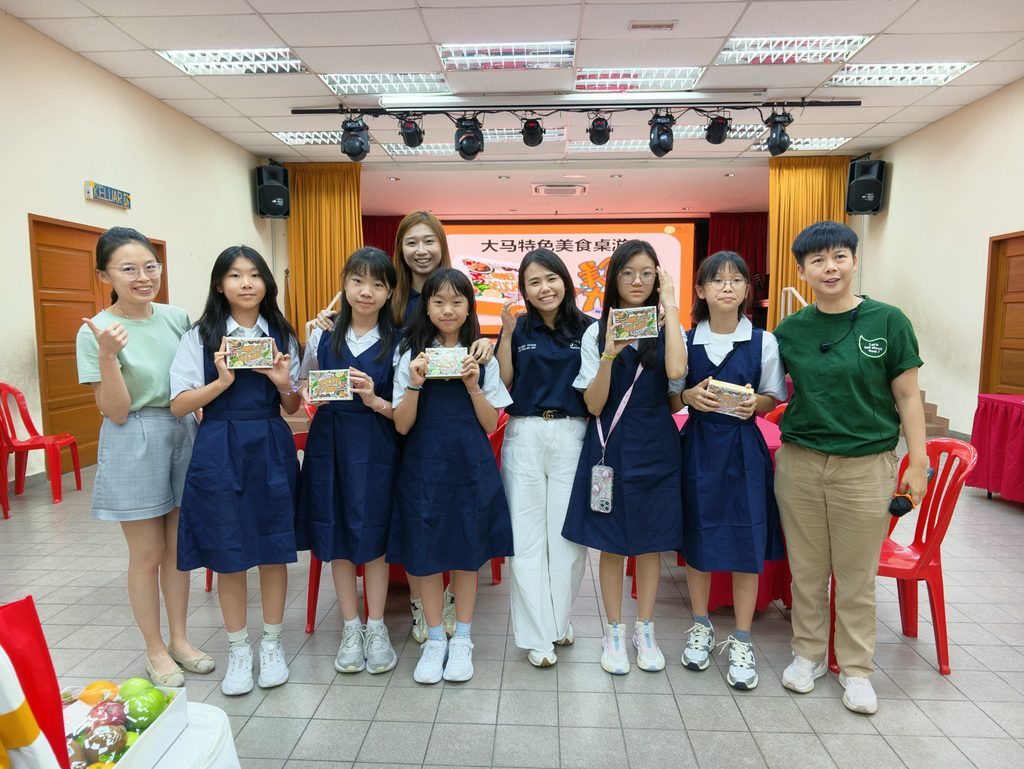
As part of the Dragon Ambassador programme with JCI City Hong Kong, JCIPJ organised an interactive Winner of Delicacies session at SJK(C) Kheow Bin, allowing students from Hong Kong and Malaysia to discover Malaysia’s multicultural food heritage through the board game.
Through interactive activities featuring Malaysian food cards, students learned about signature dishes associated with different communities and regions while strengthening their understanding and appreciation of Malaysia’s diverse culinary culture.
The activity also introduced values such as appreciating food, reducing food waste and adopting lower-carbon eating habits, making food and environmental education more relevant to everyday life.
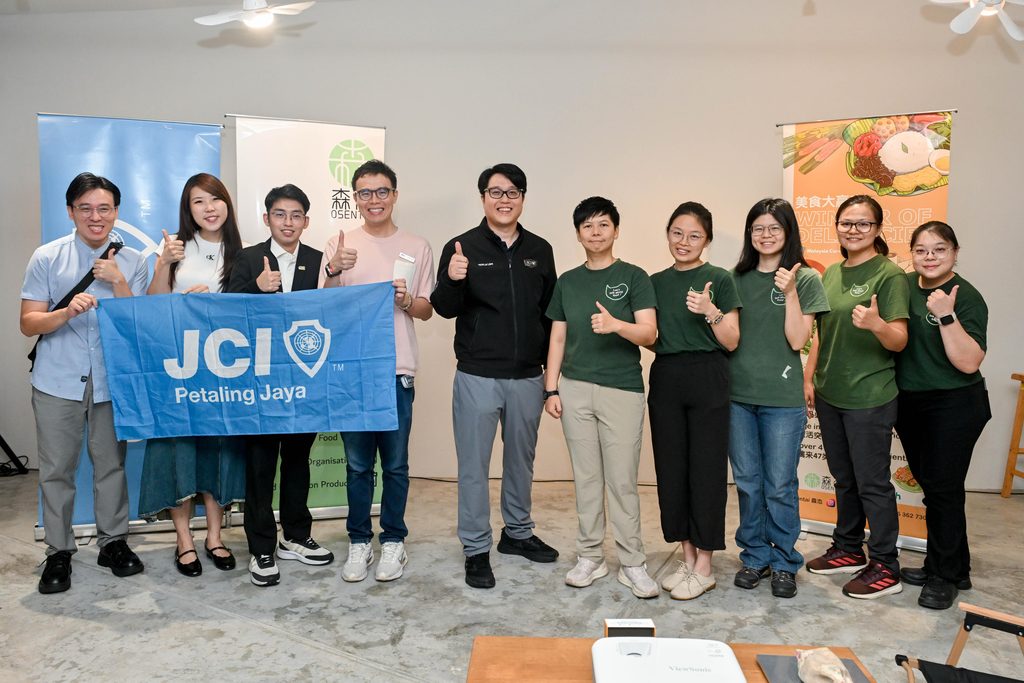
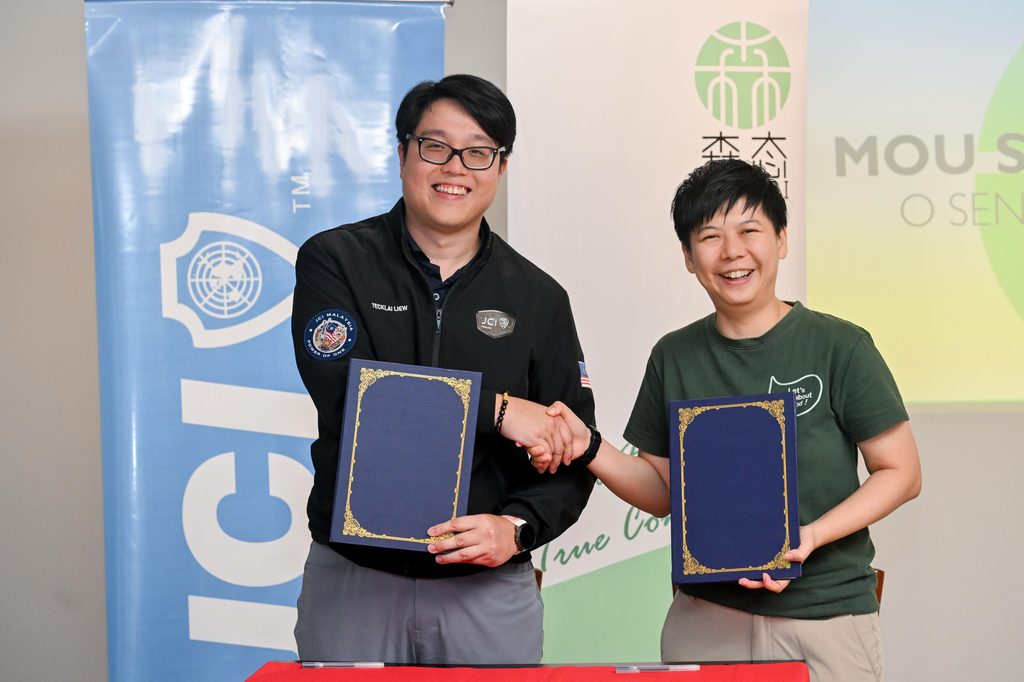
Building on the collaboration, JCIPJ and O SENTAI have signed a Memorandum of Understanding (MoU) to deepen their partnership and lay the foundation for further collaboration in 2027.
The MoU was signed by JCIPJ Vice President International Affair Liew Teck Lai, representing the chapter, and O SENTAI founder Foo Ching Yee.
Both parties will explore further opportunities in food education, children’s development, community programmes and international cultural exchange, positioning food education as a bridge between local communities and international youth.
Merdeka Promotion Extended Until 30 September
In conjunction with Malaysia’s 69th National Day, O SENTAI is also extending its special promotion on its educational board games until 30 September 2026.
The promotion features Portion Masters, which focuses on healthy and balanced eating. Through interactive gameplay, participants learn about creating nutritionally balanced meals, appropriate food portions and healthier eating habits.
Meanwhile, Winner of Delicacies takes players on a culinary journey across Malaysia, introducing representative dishes from different states and the distinctive culinary traditions behind them.
Customers can enjoy discounts of up to 20% on board game purchases, with free nationwide delivery across Malaysia throughout the promotion period.
Through the Merdeka campaign, O SENTAI hopes to encourage families, schools and the wider public to celebrate Malaysia’s multicultural identity while sharing stories, discovering local flavours and bringing conversations about health, culture and food education back to the dining table.